
Medicinal Cannabis Matters: Friday Roundup - 9 October 2026
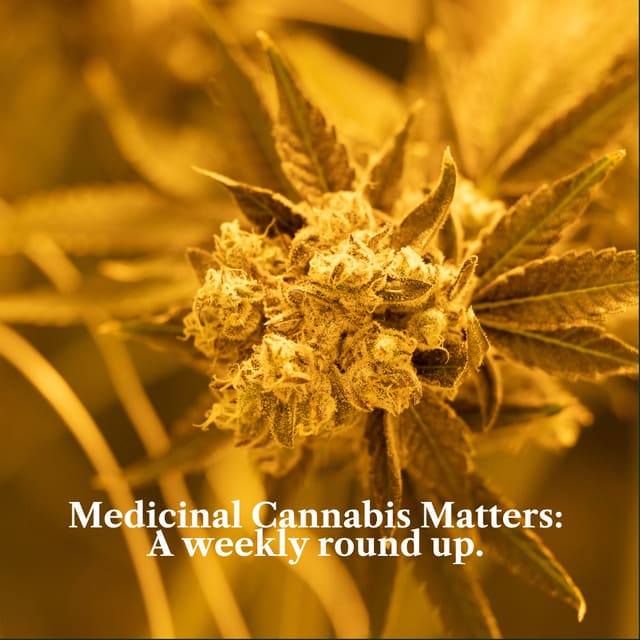
Welcome to this week’s edition of Medicinal Cannabis Matters, where we’re looking at what patients need to know about UK medicinal cannabis law in 2026, the role of terpenes in prescribed cannabis flower and a new THC oral spray that could offer another formulation option for eligible patients in the UK.
What Medicinal Cannabis Patients Need To Know in 2026
Medicinal cannabis has been legal on prescription in the UK since November 2018. However, it can still be confusing, particularly when it comes to how patients can use their medicine and what rights they have in everyday life.
Cannabis Health has published an updated guide explaining what is currently legal, what remains prohibited and which areas of the law are under review.
One area the guide covers is driving with medicinal cannabis. It advises that patients should keep their medicine in its original packaging and have their prescription documentation available when needed. A valid prescription does not mean it is safe to drive while impaired, and patients must not drive if their medicine affects their ability to do so safely. Smoking prescribed cannabis flower is also prohibited; patients prescribed flower for inhalation should use an appropriate vaporiser in line with their prescription and clinical guidance.
For patients, understanding the existing rules is just as important as following future developments. If you have questions about your prescription, driving or the documentation you should carry, speak with the Medicann team for advice relevant to your circumstances.
Could terpenes help refine medicinal cannabis prescriptions?
When comparing prescribed cannabis flower, patients may notice that two products with similar THC and CBD levels can smell, taste or feel different. One possible explanation is their terpene profile.A new article explores what terpenes are, how they vary between cannabis cultivars and what researchers currently understand about their potential role in treatment.
Terpenes are naturally occurring aromatic compounds found in many plants, including citrus fruits, lavender, pine and black pepper. In cannabis, they contribute to the distinctive aroma of different cultivars. More than 100 terpenes have been identified in the plant, and their composition can vary depending on genetics, growing conditions and harvesting.
Some commonly discussed examples include limonene, which has a citrus aroma; pinene, associated with pine and woody scents; and linalool, which is also found in lavender.
Researchers are investigating whether terpenes may influence how medicinal cannabis affects the body, either independently or alongside cannabinoids such as THC and CBD. For a patient who is suitable for medicinal cannabis, a clinician may consider a range of factors when selecting a product. These can include cannabinoid content, terpene profile, symptoms, medical history, previous treatment experiences and any side effects.
Finding an appropriate prescription can involve ongoing review and adjustment. Patients should keep track of how their treatment affects them and share their experiences with their clinical team. Any change to a prescribed product should be discussed with the prescribing doctor.
New THC oral spray adds another option for UK patients
A new oral spray made with purified, plant-derived tetrahydrocannabinol (THC) is set to offer another formulation option for eligible patients receiving medicinal cannabis treatment in the UK.
The product is intended to provide an alternative for patients who may not wish to inhale vaporised cannabis or use oral oils. But you may be wondering, how does an oral spray work? An oromucosal spray is administered inside the mouth, typically under the tongue or against the inner cheek. The medicine is absorbed through the lining of the mouth, offering a different route of administration from inhaled cannabis flower or swallowed oils and capsules.
A spray may also offer a discreet way to administer a prescribed medicine and allow for controlled dosing. Different formulations can be important because patients do not all have the same treatment needs or preferences.
For patients, these developments underline the importance of understanding both the practical and clinical aspects of treatment. The law sets out how medicinal cannabis can be prescribed and used, while research continues to explore how different products may be selected and monitored to meet individual needs.
At Medicann, we believe patients should have access to clear, evidence-led information and personalised clinical support throughout their treatment journey. If you’re considering whether medicinal cannabis may be suitable for your condition, you can check your eligibility online in just two minutes.
Disclaimer: This blog post and the following featured articles are for information only and any articles on external platforms may be amended at any time. Articles that we refer to in our weekly roundup do not reflect the views of Medicann.

Written by
Gary Whipp
Chief Executive Officer
Gary founded Medicann in 2019 with a simple goal: to make safe, affordable access to medical cannabis easier for patients. He led Medicann to become the first clinic in Jersey to issue a medical cannabis prescription, and has since grown the business into a trusted network of clinics across the Channel Islands, the Isle of Man and the UK.
Related articles
Medicinal Cannabis Matters: Friday Roundup - 2 October 2026
Read more →
Medicinal Cannabis Matters: Friday Roundup - 25 September 2026
Read more →
Medicinal Cannabis Matters: Friday Roundup - 18 September 2026
Read more →
Medicinal Cannabis Matters: Friday Roundup - 11 September 2026
Read more →
Medicinal Cannabis Matters: Friday Roundup - 4 September 2026
Read more →
Medicinal Cannabis Matters: Friday Roundup - 28 August 2026
Read more →