
Medical Cannabis for Sleep Disturbance

Sleep problems can have a significant impact on daily life, affecting energy levels, concentration, mood and overall wellbeing. Difficulties falling asleep, staying asleep or getting restorative sleep can occur alongside conditions such as chronic pain, neurological disorders and other long-term health problems. While conventional treatments and lifestyle changes can help many people, medical cannabis for sleep-related symptoms may be considered for some eligible patients when other treatments have not provided adequate relief.
What are Sleep Issues?
Sleep issues can include difficulty falling asleep, waking frequently during the night, waking too early or feeling unrefreshed despite spending enough time in bed. When these problems persist, they can affect physical and emotional wellbeing and make everyday activities more difficult.
Poor sleep can have many different causes. It may occur as a primary sleep problem or as a symptom associated with another condition, such as chronic pain, neurological conditions, anxiety or other health problems. Understanding what is disrupting a patient's sleep is therefore an important part of determining the most appropriate treatment.
Common Sleep Conditions Treated with Cannabis
Insomnia is a common sleep problem characterised by difficulty falling asleep, staying asleep or getting good-quality sleep. Persistent insomnia can lead to daytime tiredness, difficulties with concentration and changes in mood and quality of life.
Sleep Disturbance Associated with Chronic Pain
Chronic pain can make it difficult to fall asleep or remain asleep throughout the night. In turn, inadequate sleep can make coping with pain and fatigue more difficult. For some patients being treated for chronic pain, improving sleep may therefore be an important part of their overall symptom-management plan.
Sleep Disturbance Associated with Neurological and Other Conditions
A number of neurological and long-term health conditions can affect sleep. Symptoms such as pain, muscle stiffness, restless legs, anxiety or changes in normal sleep patterns may contribute to disrupted or poor-quality sleep.
Traditional Treatment Methods for Sleep Issues
Treatment for sleep problems depends on their underlying cause, how long they have been present and how significantly they are affecting daily life. Your GP or specialist may advise:
Improving sleep habits and maintaining a regular sleep routine
Cognitive behavioural therapy for insomnia (CBT-I)
Relaxation and stress-management techniques
Addressing underlying conditions that may be disrupting sleep
Medication where clinically appropriate
Lifestyle changes, including exercise and reducing caffeine or alcohol
For persistent sleep difficulties, identifying and treating the underlying cause can be just as important as managing the sleep problem itself.
How Medical Cannabis Can Help with Sleep Issues
Cannabis contains compounds known as cannabinoids, including THC (tetrahydrocannabinol) and CBD (cannabidiol), which interact with the body's endocannabinoid system (ECS). This system is involved in a range of physiological processes that include sleep and the sleep-wake cycle.
THC and CBD have different effects, and responses can vary considerably between individuals. THC can have sedating effects for some people, while the relationship between CBD and sleep is more complex and may depend on factors including dose, formulation and the symptoms being treated.
For some eligible patients, medical cannabis may be prescribed to help manage symptoms that are contributing to poor sleep, such as chronic pain. Treatment is individually prescribed according to the patient's underlying condition, symptoms, previous treatments and clinical history.
Efficacy of Cannabis in Treating Sleep Issues
Research into cannabis-based medicines and sleep is continuing. Some studies have reported improvements in aspects of sleep among patients using cannabis-based medicines, particularly where sleep disturbance occurs alongside conditions such as chronic pain. However, the quality and strength of evidence varies according to the condition and cannabis-based medicine being studied.
Medical cannabis may help some patients manage sleep-related symptoms, but it is not suitable for everyone. A specialist doctor will assess the underlying cause of your sleep difficulties, your medical history and previous treatments before determining whether medical cannabis may be an appropriate treatment option.
What Type of Cannabis Treatment is Best for Sleep?
There is no single standard cannabis prescription for sleep issues. Treatment is tailored to your underlying condition, symptoms, previous treatment history and individual response.
Depending on your clinical assessment, you may be prescribed CBD, THC or a combination of both. Medical cannabis can be prescribed in different formulations, including cannabis oil and dried flower for vaporisation.
During your initial consultation, a specialist doctor will assess your eligibility, discuss the difficulties you are experiencing with sleep and review treatments you have previously tried. If medical cannabis is considered appropriate, your doctor will discuss the treatment option and formulation that may be most suitable for your individual circumstances.
Patient Testimonials
"Amazing clinic, really straightforward to sort everything out all the staff are really helpful. It’s been lifechanging for me with my adhd and sleepissues feel like I have my life back".
Dean Mattocks, Patient. Trustpilot.
Individual experiences with medical cannabis vary, and another patient's experience does not guarantee that you will experience the same results.
Combining Other Treatment Options with Cannabis
Medical cannabis, when prescribed, may form one part of a wider approach to managing sleep difficulties. Depending on the cause of your symptoms, treatment may be combined with good sleep habits, cognitive behavioural therapy for insomnia (CBT-I), regular physical activity, relaxation techniques and treatment of underlying conditions such as chronic pain.
Patients should continue to follow the advice of their healthcare professionals and should not stop or change existing prescribed medication without discussing it with their doctor
Clinical research into medical cannabis and sleep.
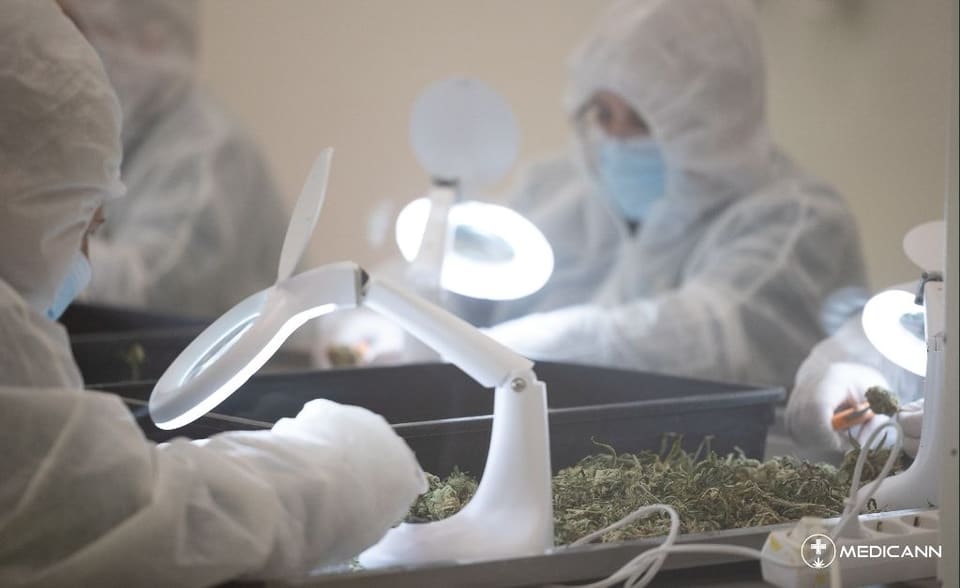
What does the research say?
Research into medical cannabis for sleep and related conditions is growing, with evidence coming from both clinical studies and real-world patient experience. Research has reported improvements in sleep for some patients, helping us better understand where medical cannabis may have a role in managing sleep difficulties.
Explore Eligibility for Medical Cannabis
If struggling to sleep continues to affect your daily life despite trying standard treatments, you may be eligible for a specialist assessment. Medicann Clinics is a specialist-led UK medical cannabis clinic offering free consultations, no repeat prescription fees, and same-day UK despatch.
You can check your eligibility online today to take the next step toward personalised support.
Check if you're eligible for pain relief treatment
Trouble sleeping doesn't have to define your life. Medicinal cannabis may offer a safe, effective alternative when traditional treatments fall short.