
What medication do you need to declare to the DVLA?
If you've recently been prescribed medical cannabis, one of the first questions that comes up is what it means for driving. It's a sensible thing to want to get right.
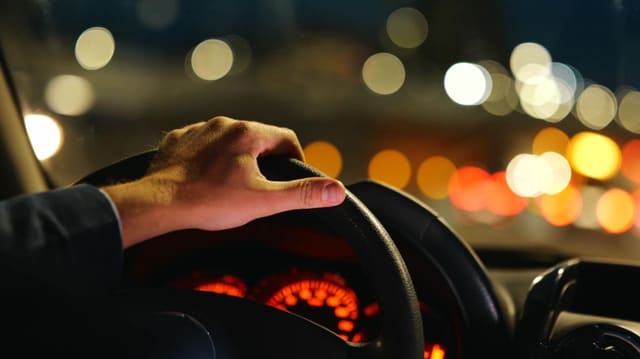
If you've recently been prescribed medical cannabis, one of the first questions that comes up is what it means for driving. It's a sensible thing to want to get right.
The good news is that plant-to-patient medical cannabis sits within rules that already apply to thousands of other prescription medicines in the UK. Once you understand how the DVLA treats prescribed medication generally, the position for medical cannabis becomes much clearer.
Prescription medication and driving
Before looking at medical cannabis specifically, it helps to understand how the DVLA approaches prescription medicines in general.
What is the role of the DVLA?
The Driver and Vehicle Licensing Agency, or DVLA, decides who is fit to hold a driving licence in England, Scotland and Wales. Its focus isn't medicines themselves, but whether a medical condition, or its treatment, could affect your ability to drive safely.
The official guidance is that drivers should be "free from any medication effects that would impair driving." That principle sits behind almost everything in this guide, whether you're taking antihistamines, painkillers, or medical cannabis.
What medication do you need to declare to the DVLA?
There's a common misconception that any prescription medicine needs reporting to the DVLA. In most cases, that isn't true. What you actually need to declare is a notifiable medical condition, one that could affect your driving. The DVLA's list, published on gov.uk, includes things like:
epilepsy
certain heart conditions
insulin-treated diabetes
sleep disorders such as obstructive sleep apnoea.
Medication becomes relevant where it relates to one of these conditions, or causes a side effect, such as significant drowsiness, that could affect your driving. The trigger is almost always the underlying health condition, not the medicine itself. If you're unsure, your GP or specialist is the best person to ask.
Can you drive with medical cannabis in the UK?
Yes. Patients prescribed medical cannabis can drive in the UK, provided:
they aren't impaired
the medicine has been prescribed by a doctor
they are following the instructions they've been given.
This is the same standard that applies to any prescription medicine that could affect drowsiness or concentration.
When medical cannabis was legalised for prescription use in November 2018, drug driving legislation wasn't changed alongside it. Cannabis was already covered by the Road Traffic Act 1988, and that law applies in the same way to patients today. What changed is that there was, for the first time, a lawful route to having THC in your system through a legitimate prescription, which is where the statutory medical defence below comes in. That said, Medicann advises all patients to exercise particular caution when considering whether to drive. Even if you feel fit to drive, it is possible for the level of THC in your blood to exceed the specified legal limit. A valid prescription may provide a statutory medical defence to the offence of driving over that limit where the relevant legal requirements are met, but it does not permit you to drive while impaired.
You should never drive if your medication is affecting your ability to do so safely, or if you have any doubt about whether you are fit to drive. If in doubt, DO NOT DRIVE.
Do I need to tell the DVLA about medical cannabis?
There's no specific DVLA guidance stating that a medical cannabis prescription alone must be reported. As with other medicines, notification depends on the underlying condition, not the prescription itself. A 2022 report commissioned by the Department for Transport looked at this directly, and found that some prescribers were advising patients to notify the DVLA anyway, partly to stay within the spirit of the law and partly to protect their car insurance in the event of a collision. The Cannabis Industry Council has also published patient guidance touching on this point.
Because everyone's circumstances differ, this is genuinely worth discussing with your prescribing doctor, who can tell you whether your specific condition is notifiable.
How does cannabis affect driving?
Medical cannabis products contain two main compounds, THC and CBD, which behave very differently in the body. THC is responsible for the psychoactive effects associated with cannabis, including the "high" some patients describe, and it's also the compound that can cause drowsiness, slower reaction times, poorer coordination, and difficulty concentrating, all relevant to safe driving.
CBD doesn't produce these effects in the same way and isn't generally considered a road safety concern. Many medical cannabis products are formulated with specific THC:CBD ratios for this reason, and your prescriber will factor this into any driving advice.
The cannabis limit for driving in the UK
Under Section 5A of the Road Traffic Act 1988, it's an offence to drive with certain controlled drugs in your blood above a specified limit, regardless of whether your driving was actually affected. For THC, that limit is just 2 micrograms per litre of blood, a near zero-tolerance threshold rather than a level that indicates impairment.
This creates a particular issue for medical cannabis patients. Taking THC-containing medicine exactly as prescribed will, in most cases, put you above this legal limit, even when you feel completely fine. Parliament was aware of this when the limit was set, which is why a specific legal defence exists for patients in this position.
Can the police confiscate medical cannabis?
If you're stopped by the police while carrying your medication, it helps to know what to expect.
A statutory medical defence exists under Section 5A(3) to (5) of the Road Traffic Act 1988 for patients who test above the THC limit. Broadly, it applies where the medicine was lawfully prescribed or supplied to you, you took it in line with your prescriber's directions and any manufacturer or dispensing instructions, and your possession of it was lawful. This defence relates specifically to the Section 5A offence of driving over the limit. It does not apply to the separate offence of driving while impaired under Section 4, so a prescription will never protect you if your driving ability is genuinely affected.
A positive roadside drug wipe doesn't prove impairment, and it isn't the test used to establish a Section 5A offence in court. It can still lead to an arrest so an evidential blood sample can be taken, even where a patient has a valid prescription and has used their medicine properly. This is part of how the process works, not a sign that anything has gone wrong.
It's worth carrying your medication in its original, pharmacy-labelled packaging, along with a copy of your current prescription or clinic letter, on paper or digitally. Staying calm and cooperative, and explaining that you're a prescribed patient, will usually help things move along smoothly. If you're ever arrested, you're entitled to ask for a solicitor once you reach custody. You can find a fuller breakdown of these rights, including the official notice produced for police officers, in our Travelling and Driving guidance.
How long does cannabis stay in your system?
How long THC remains detectable depends on the individual, the product, the dose, and how often it's used. One reason for this variation is that each person’s endocannabinoid system - the network of receptors and signalling molecules that interacts with cannabinoids such as THC and CBD - is unique. Factors including genetics, metabolism, body composition, and overall health can influence how someone responds to cannabis and how quickly cannabinoids are processed and eliminated.
For patients using cannabis regularly as part of an ongoing treatment plan, THC can remain detectable for an extended period, often well beyond a single day.
Detection is not the same thing as impairment. You can have THC in your system above the legal limit while feeling entirely normal and being safe to drive. Equally, you should never assume you're fit to drive just because time has passed since your last dose. If you feel sleepy, dizzy, slowed down, or in any way affected, you shouldn't get behind the wheel, whatever a calculation about timing might suggest.
Are you covered for car insurance on medical cannabis?
As with any medical condition or medication, your insurance position depends on your individual policy and your insurer's requirements, so it's worth checking your documents or speaking to your provider directly. Some doctors recommend notifying the DVLA of a cannabis prescription partly for this reason, since it can help protect your cover in the event of a claim.
If you're ever uncertain about your situation, whether that's about your condition, your insurance, or how a product might affect you, the right person to ask is your prescribing doctor, who knows your treatment plan and medical history.
At Medicann, every patient receives clear documentation of their prescription, and our specialists are always available to talk through questions about driving or daily life on treatment. If you're considering medical cannabis, you can check your eligibility online or get in touch with our team to speak to a specialist.
Related articles
Can Medicinal Cannabis Help You Sleep?
Read more →
Medical Cannabis Consumption Methods Explained: Oils, Vapes, Flower and Pastilles
Read more →
How to Look After Your Medicinal Cannabis Vaporiser This Summer
Read more →
What's the Difference Between Irradiated vs Non-Irradiated Medical Cannabis?
Read more →
Travelling abroad with medical cannabis: what you need to know
Read more →
Medical cannabis in Jersey: how to access treatment
Read more →