
Cannabis for eczema: how medical cannabis may help soothe skin and reduce inflammation
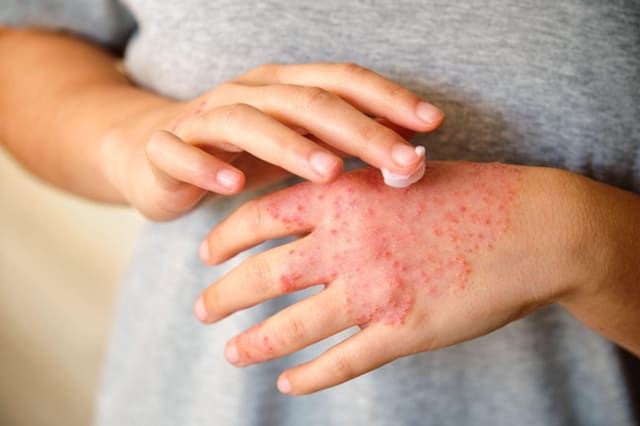
Living with eczema can be exhausting. The itch that won't quit, the sleepless nights, the skin that flares up just when you thought things were settling down. If that sounds familiar, you're not alone - and you might be wondering whether there are options beyond the usual creams and antihistamines.
Plant-to-patient medical cannabis is one option that more patients are starting to explore. It won't work for everyone, and it isn't a cure. But for some people managing long-term eczema, it may offer real relief as part of a broader treatment plan.
Here's what you need to know.
What is eczema?
Eczema is a skin condition that causes the skin to become dry, itchy, inflamed, and sometimes cracked or sore. It can appear anywhere on the body, though the hands, face, and the insides of elbows and knees are common spots.
The most common form is atopic eczema, which tends to run in families and is often linked to other conditions like asthma or hay fever. But eczema isn't one-size-fits-all - there are several types, and symptoms can vary a lot from person to person.
For some people, eczema is mild and occasional. For others, it's a persistent, daily challenge that affects sleep, confidence, and quality of life.
What causes eczema?
Eczema doesn't have a single cause. It's thought to be a combination of genetic and environmental factors that affect the skin's ability to protect itself.
People with eczema often have a weakened skin barrier. This means the skin is less able to hold in moisture and keep out irritants. When the barrier breaks down, the immune system responds - and that response causes the redness, swelling, and itching associated with a flare-up.
Triggers are wide-ranging and highly personal. Common ones include soaps and detergents, synthetic fabrics, dust mites, pet hair, and changes in temperature. Stress and anxiety are also well-known culprits - which is worth keeping in mind, because the relationship between eczema and mental wellbeing runs in both directions. Because triggers are so individual, eczema can feel unpredictable. That's part of what makes it so frustrating to manage.
How to treat eczema
Most eczema treatment focuses on managing symptoms and reducing flare-ups. There's no permanent cure, but the right approach can make a significant difference day to day.
Emollients - moisturisers applied regularly to keep the skin hydrated - are usually the first port of call. During flare-ups, topical steroids are commonly prescribed to reduce inflammation and itching. For more persistent symptoms, doctors may consider antihistamines, immunosuppressants, or newer biologic treatments designed for moderate to severe eczema that hasn't responded to other options.
Your GP or dermatologist will guide you on the best approach for your situation. For mild eczema, a simple moisturising routine can be very effective. For more severe or persistent symptoms, a tailored plan is usually needed.
What alternatives are there for eczema treatment?
When standard treatments don't provide enough relief - or when side effects become a concern - many people start looking at complementary options.
Some people find that dietary changes, stress management, acupuncture, or specific supplement regimens help to reduce flare-ups. Others explore natural topical products designed for sensitive skin.
Increasingly, medical cannabis processes are entering this conversation - not as a replacement for conventional care, but as something that may be able to support it.
What does cannabis do for skin?
The human body has something called the endocannabinoid system (ECS). It plays a role in regulating a wide range of functions, including immune response, inflammation, and - importantly - skin health.
Research suggests that the skin has its own endocannabinoid receptors. THC and CBD, the two main active compounds in cannabis, interact with this system. This is why cannabis-based medicines are being explored in relation to a number of skin conditions, including eczema.
CBD in particular has shown potential as an anti-inflammatory compound. Some early research suggests it may help to calm the overactive immune response that drives eczema symptoms, as well as supporting the skin barrier and reducing the sensation of itch. THC may also play a role in managing the anxiety and sleep disruption that often accompany chronic skin conditions - both of which can, in turn, make eczema worse.
It's important to be clear: the evidence is still developing, and medical cannabis is not a guaranteed solution for eczema. But for patients who haven't found adequate relief through standard routes, it's a conversation worth having.
At Medicann, prescribing doctors take the time to understand your full health picture before making any recommendations. If you'd like to explore whether medical cannabis could support your eczema management, you can check your eligibility online or get in touch to speak with one of our approved doctors today.
Related articles
Can Medicinal Cannabis Help You Sleep?
Read more →
Medical Cannabis Consumption Methods Explained: Oils, Vapes, Flower and Pastilles
Read more →
How to Look After Your Medicinal Cannabis Vaporiser This Summer
Read more →
What's the Difference Between Irradiated vs Non-Irradiated Medical Cannabis?
Read more →
Travelling abroad with medical cannabis: what you need to know
Read more →
Medical cannabis in Jersey: how to access treatment
Read more →