
What's the Difference Between Irradiated vs Non-Irradiated Medical Cannabis?
If you've been prescribed medicinal cannabis, you may have noticed that some products are described as irradiated while others are labelled non-irradiated.
For many patients, these terms can sound confusing or even concerning.
In this guide, Medicann explains what irradiation is and what the differences mean for patients. Whether you're already receiving treatment or researching a medical cannabis clinic in the UK, understanding these terms can help you feel more informed about your options.
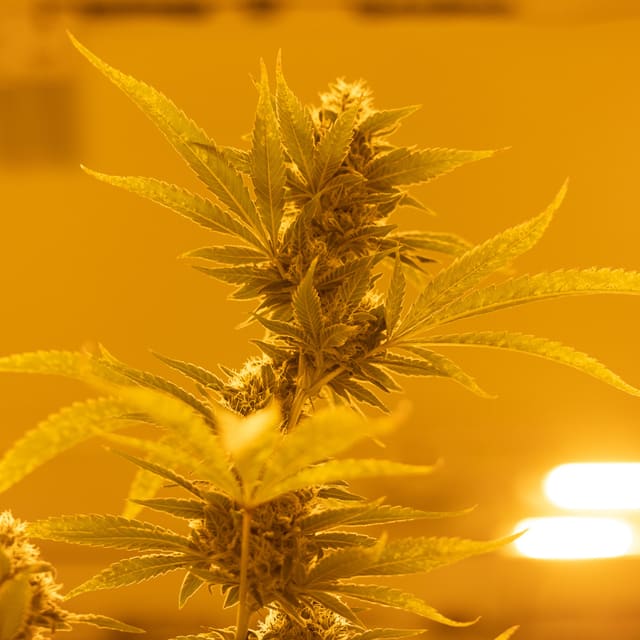
What is irradiated medical cannabis?
Irradiation is a sterilisation process used to reduce microorganisms such as bacteria, mould and yeast that can naturally occur on dried cannabis flower.
The process is carried out after cultivation and drying using carefully controlled gamma rays or electron beam (e-beam) technology. It helps manufacturers meet strict pharmaceutical quality standards by reducing microbial contamination, particularly for patients who may be more vulnerable to infections.
Current evidence suggests that irradiation has little effect on the levels of the primary cannabinoids, including THC and CBD, while significantly reducing microbial contamination. Research has also shown that irradiated cannabis does not become radioactive as a result of the process.
What is non-irradiated medical cannabis?
Non-irradiated medical cannabis has been grown, dried and cured without undergoing the additional sterilisation step.
This means it remains closer to its natural post-harvest state while still being produced under strict quality controls for medical use. All prescribed medicinal cannabis products in the UK must meet rigorous quality and safety standards before they can be supplied to patients.
For patients looking for non-irradiated medical cannabis via private prescription in the UK, it's important to know that both irradiated and non-irradiated products are available through specialist prescribing clinics, like Medicann, depending on the product and your prescribing doctor's recommendation.
Why is some medical cannabis irradiated?
The main reason is patient safety.
Cannabis is a natural plant, and like many agricultural products, it can carry naturally occurring microorganisms. For most healthy people these may not cause problems, but for patients with weakened immune systems or certain underlying health conditions, microbial contamination can present a greater risk.
Irradiation helps reduce these microorganisms while maintaining the quality of the medicine. It's a process used in many areas of healthcare and food production to improve product safety.
Does irradiation affect the medicine?
Current evidence suggests that irradiation has minimal impact on cannabinoid content, meaning the THC and CBD levels remain largely unchanged after treatment.
Some studies have found that irradiation can reduce levels of certain terpenes, the naturally occurring aromatic compounds found in cannabis. As terpenes contribute to the smell and flavour of cannabis, some patients report noticing subtle differences between irradiated and non-irradiated flower. However, the quality of cultivation, drying, curing and storage can also have a significant influence on the final product.
Should you choose irradiated or non-irradiated?
If you're new to medicinal cannabis, it's understandable to wonder which option is right for you.
Rather than focusing solely on whether a product has been irradiated, it's usually more helpful to consider the full picture, including: your medical condition, your treatment goals, the cannabinoid profile (THC and CBD), terpene profile, your previous experience with treatment and your prescribing doctor’s recommendation. These factors are generally more important in determining whether a particular product is suitable for you.
"Irradiated" doesn't mean lower quality, and "non-irradiated" doesn't automatically mean better.
Both types of medicinal cannabis are prescribed safely in the UK. Irradiation is simply one method used to reduce microbial contamination while maintaining cannabinoid content, whereas non-irradiated products avoid this additional processing step.
At Medicann, we believe treatment should be personalised to each patient.
Once you become a Medicann patient, you'll have access to the Medicann app, where you can explore a wide range of products that may be available for prescription as part of your treatment plan, including both irradiated and non-irradiated medical cannabis, subject to clinical suitability and prescribing decisions.
Having access to a broad formulary allows our doctors to recommend products based on your individual treatment needs and medical history.
If you're considering medicinal cannabis treatment and are looking for a trusted medical cannabis clinic in the UK, Medicann is here to help.
Whether you're interested in learning more about non-irradiated cannabis prescriptions in the UK or exploring the full range of treatment options available, our experienced doctors can guide you through every step of the process.
Not yet a Medicann patient? Complete our quick online eligibility check to see if you may qualify for treatment. If you're eligible, you'll be able to book a consultation with one of our prescribing doctors and, if appropriate, gain access to the Medicann app and our extensive range of prescribable medicinal cannabis products.
References: Hazekamp A. (2016). Evaluating the Effects of Gamma-Irradiation for Decontamination of Medicinal Cannabis. Front Pharmacol., 7, 108.

Written by
Jack Whipp
Chief Operating Officer
Jack Whipp oversees the day-to-day operations of Medicann's expanding network of clinics. With a focus on operational excellence and patient experience, Jack ensures that Medicann maintains the highest standards of service across all locations.
Related articles
Can Medicinal Cannabis Help You Sleep?
Read more →
Medical Cannabis Consumption Methods Explained: Oils, Vapes, Flower and Pastilles
Read more →
How to Look After Your Medicinal Cannabis Vaporiser This Summer
Read more →
Travelling abroad with medical cannabis: what you need to know
Read more →
Medical cannabis in Jersey: how to access treatment
Read more →
Cannabis for endometriosis: Can medical cannabis help with pain and inflammation?
Read more →