
How to improve sleep: Practical tips, lifestyle changes, and the role of medical cannabis
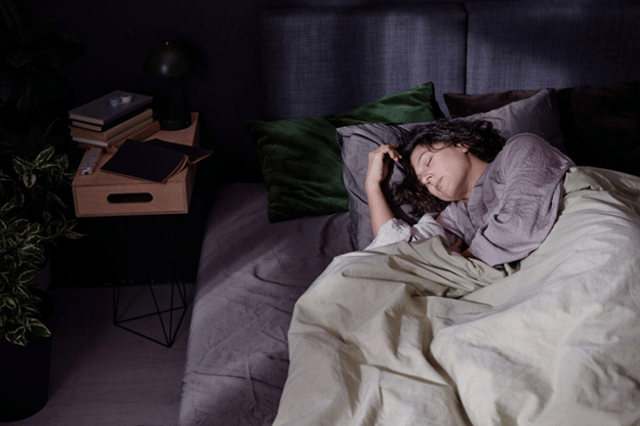
We all know what a bad night's sleep feels like. The groggy mornings, the difficulty concentrating, the short temper by mid-afternoon. Most of us have been there. But for millions of people in the UK, poor sleep isn't just the odd rough night. It's a pattern - a persistent problem that affects their health, their mood, and their quality of life - often for months or even years.
The good news is that there are real, practical things you can do. In this guide, we explore the most common causes of poor sleep, the lifestyle changes that can make a genuine difference, and why medical cannabis is becoming a recognised option for patients who need more support. And for some people, it's becoming a meaningful part of that picture.
How important is sleep?
Sleep is one of the most important things your body does. It might not feel like much - you're unconscious, after all - but your brain and body are working hard while you rest. Indeed, as you sleep, memories are being processed, cells are being repaired, hormones are being regulated, and your immune system is doing some of its most important work.
Adults generally need between seven and nine hours of sleep each night. Regularly getting less than that isn't just tiring, it can have a detrimental health impact. Over time, poor sleep has been linked to a higher risk of serious health conditions including heart disease, type 2 diabetes, obesity, anxiety, and depression.
Put simply, sleep isn't a luxury - it's a cornerstone of good health
Causes of poor sleep
People can struggle to sleep for a variety of reasons. For most, it's a combination of things - and those things can change over time.
Some of the most common causes include:
Stress and anxiety. When your mind is racing, switching off at bedtime is easier said than done. Worry about work, finances, relationships, or health can keep you in a heightened state of alertness long into the night.
Chronic pain. If you're uncomfortable, sleep becomes difficult to reach and even harder to maintain. Pain conditions - from arthritis to back problems to nerve pain - are closely tied to disrupted sleep.
Poor sleep habits. Irregular bedtimes, too much screen time in the evening, caffeine late in the day, and an uncomfortable sleep environment can all chip away at sleep quality.
Hormonal changes. Menopause, pregnancy, and other hormonal shifts can significantly disrupt sleep patterns.
Underlying health conditions. Insomnia, sleep apnoea, restless legs syndrome, and certain mental health conditions can all interfere with rest.
Understanding the root cause of your sleep problems is the first step. It shapes what solutions are likely to help.
What lifestyle changes can improve sleep quality?
Before reaching for any kind of treatment - medical or otherwise - there's a lot you can try at home. Small, consistent changes to your daily routine can have a surprisingly big impact on how well you sleep. For many people, these form the foundation of lasting improvement.
One of the most effective things you can do is establish a consistent sleep schedule. Going to bed and waking up at the same time every day - yes, even at weekends - helps set your body's internal clock. It sounds simple, but it's one of the most evidence-backed habits you can build.
How you spend the hour before bed matters too. Your brain needs time to shift from busy to restful, and it doesn't do that on demand. Try dimming the lights in the evening, stepping away from screens, and doing something genuinely calming - reading, a warm bath, or gentle stretching. Think of it as a wind-down routine rather than just waiting to feel tired.
What you eat and drink throughout the day also plays a bigger role than most people expect. Caffeine can stay active in your system for six hours or more, so that mid-afternoon coffee might be doing more damage than you realise. Alcohol is another one to watch - it may help you fall asleep initially, but it tends to fragment sleep quality later in the night. Heavy meals close to bedtime can have a similar effect.
Regular physical activity is one of the most well-established ways to support better sleep. It doesn't need to be intense - a daily walk makes a difference. Just try to avoid vigorous exercise in the two hours before bed, as it can have the opposite effect.
Finally, don't underestimate your sleep environment. A cooler room, blackout curtains, and minimal noise can all make falling - and staying - asleep considerably easier. Small adjustments here are often overlooked, but they add up.
None of this is a guaranteed fix, and it won't address every cause of poor sleep. But for many people, getting these basics right creates the conditions in which other treatments - medical or complementary - can work much more effectively.
Alternatives to sleeping pills: can medical cannabis help with sleep problems?
Sleeping pills are sometimes prescribed for short-term sleep difficulties. But they're generally not recommended as a long-term solution. They can cause dependence, leave you feeling groggy, and don't always address the underlying cause of the problem.
This is one reason why more people are exploring other options - including medical cannabis.
Medical cannabis has been legally available on prescription in the UK since 2018. For some patients, particularly those whose sleep problems are linked to chronic pain, anxiety, or other long-term conditions, it can offer meaningful support as part of a broader treatment plan.
The cannabis plant contains compounds called THC and CBD, which interact with the body's endocannabinoid system. This system plays a role in regulating sleep, mood, and pain - which helps explain why cannabis-based medicines can be relevant for sleep difficulties in particular.
It's important to be clear: medical cannabis isn't a cure for poor sleep, and it isn't the right choice for everyone. It works best when it's part of a wider, thoughtful approach to managing your health - alongside the lifestyle changes above, and in combination with any other treatment you're already receiving.
At Medicann, our GMC-registered specialists take time to understand your full health picture before making any recommendations. If you'd like to find out whether medical cannabis could play a role in improving your sleep, you can check your eligibility online or get in touch to speak with one of our prescribing doctors.
Related articles
Can Medicinal Cannabis Help You Sleep?
Read more →
Medical Cannabis Consumption Methods Explained: Oils, Vapes, Flower and Pastilles
Read more →
How to Look After Your Medicinal Cannabis Vaporiser This Summer
Read more →
What's the Difference Between Irradiated vs Non-Irradiated Medical Cannabis?
Read more →
Travelling abroad with medical cannabis: what you need to know
Read more →
Medical cannabis in Jersey: how to access treatment
Read more →