
How to manage back pain without traditional medication
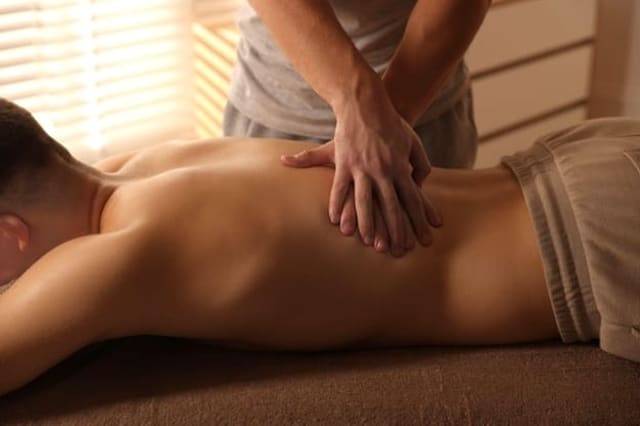
Back pain is one of the most common health complaints in the UK. It can range from a dull ache that comes and goes to a persistent, limiting problem that affects work, sleep, and daily life. For many people, the first response is to reach for a painkiller. But medication is only one part of the picture - and for those looking to manage their pain more broadly, there is quite a lot else worth knowing about.
This guide covers the lifestyle changes that can make a real difference to back pain over time, alternatives to standard painkillers, and where medical cannabis fits in for back pain patients who haven't found enough relief elsewhere.
Back pain has many possible causes. Muscle strain - from lifting awkwardly, a sudden movement, or physical overexertion - is one of the most common. Poor posture, particularly from long hours at a desk, puts uneven pressure on the spine and the muscles around it. A sedentary lifestyle weakens the muscles that support the back, making it more vulnerable. In some cases, an underlying spinal condition such as a herniated disc may be involved. Understanding what is driving your pain is the most useful starting point.
What lifestyle changes can help reduce back pain?
Movement is often the most effective tool available. It can feel counterintuitive to exercise when your back hurts, but staying still for too long tends to make things worse. Gentle, regular activity helps keep the muscles and joints working as they should.
Strengthening the core - the muscles around the abdomen and lower back - can take significant strain off the spine over time. Swimming, walking, yoga, and Pilates are all widely recommended as low-impact starting points.
Posture is worth reviewing too. Adjusting your chair height, taking regular breaks from sitting, and being mindful of how you lift can all reduce the daily load on your back. Sleep quality and stress levels also play a role - both have a physical impact on the body, and addressing them is a legitimate part of managing persistent pain.
Back pain relief without NSAIDs: alternative treatments for back pain
NSAIDs - non-steroidal anti-inflammatory drugs such as ibuprofen - are widely used for back pain and can help in the short term. But long-term use carries potential side effects, and some people cannot take them at all. It is worth knowing what else is available.
Physiotherapy is one of the most evidence-backed options, offering guided exercise and hands-on treatment tailored to the individual. Acupuncture is another approach that some people find helpful for chronic pain, though the evidence varies. Heat therapy - a warm bath or heat pad - can ease muscle tension and provide short-term comfort for some types of back pain.
Cognitive behavioural therapy (CBT) is increasingly recognised as useful for chronic pain, partly because persistent pain affects mood and the way the brain processes discomfort. It is not a replacement for physical treatment, but it can be a valuable part of a wider plan.
Is cannabis good for back pain?
This is a question more people in the UK are starting to ask, and the honest answer is: it may help for some patients, in the right circumstances.
But how does it work? Well, medical cannabis can be prescribed in the UK for chronic pain when other treatments have not provided enough relief. The cannabinoids found in cannabis - particularly CBD and THC - interact with the body's endocannabinoid system, which plays a role in how we experience pain and inflammation. Some patients report meaningful improvements in both pain levels and sleep quality as a result.
That said, medical cannabis is not a first-line treatment and it is not right for everyone. It works best as part of a broader plan - not as a replacement for lifestyle changes or physiotherapy, but alongside them.
At Medicann, our process is quick and easy. Our specialist prescribing doctors take time to understand your full history before making any recommendation. If you have been living with back pain and feel you have run out of options, it may be worth finding out whether you are eligible. To find out more, get in touch today.
Related articles
Can Medicinal Cannabis Help You Sleep?
Read more →
Medical Cannabis Consumption Methods Explained: Oils, Vapes, Flower and Pastilles
Read more →
How to Look After Your Medicinal Cannabis Vaporiser This Summer
Read more →
What's the Difference Between Irradiated vs Non-Irradiated Medical Cannabis?
Read more →
Travelling abroad with medical cannabis: what you need to know
Read more →
Medical cannabis in Jersey: how to access treatment
Read more →